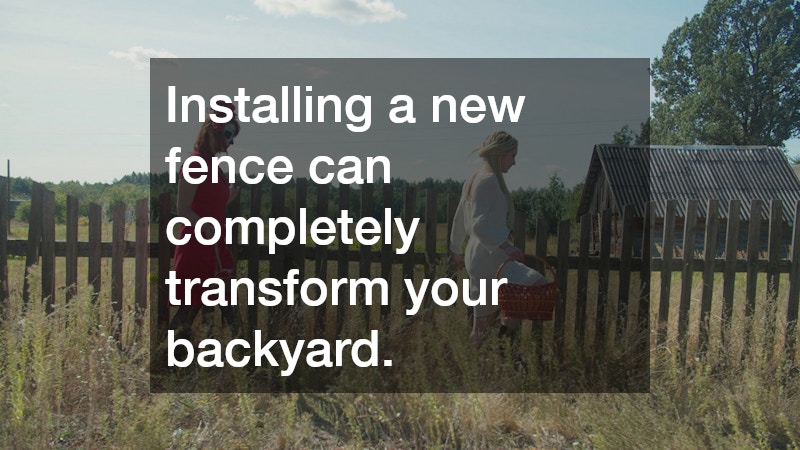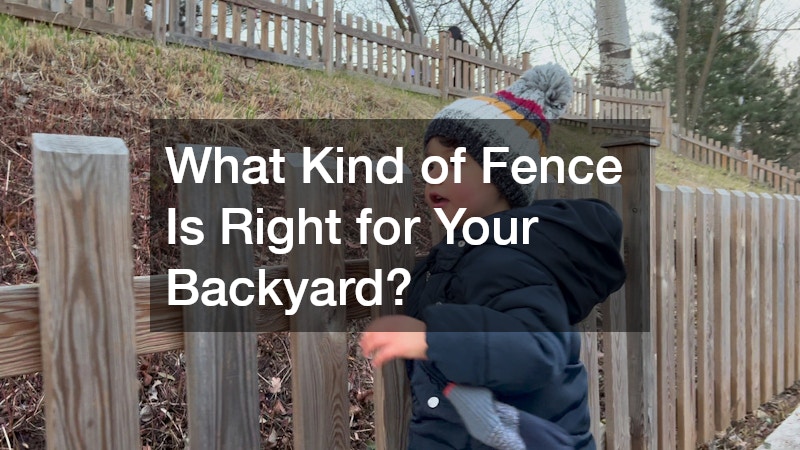
Installing a new fence can completely transform your backyard. The right fence adds privacy, improves security, enhances curb appeal, and helps define your outdoor space. Whether you want to create a peaceful retreat, keep children and pets safe, or boost your property value, choosing the right fencing solution requires careful planning.
With so many materials, styles, and price points available, homeowners can quickly feel overwhelmed by the options. From traditional wood fences to modern vinyl and metal designs, each choice comes with its own advantages and drawbacks.
Understanding your priorities before making a decision can help you invest in a fence that meets both your practical needs and aesthetic preferences.
This guide will walk you through the most important factors to consider when selecting the perfect fence for your backyard.
How Do I Determine the Purpose of My Fence?
Understanding Your Needs
Before selecting materials or styles, think about why you want a fence in the first place. Some homeowners prioritize privacy and want to block views from neighbors or nearby roads. Others may need a secure barrier to keep children and pets safely contained within the yard.
Security is another major factor. A taller fence with sturdy materials can help deter trespassers and protect your property. If your primary concern is appearance, a decorative fence may be enough to frame your yard and improve landscaping without creating a completely enclosed space.
Clearly identifying your main goals will make it much easier to narrow down your options.
Balancing Aesthetics and Functionality
Your fence should complement your home’s architecture and landscaping while still serving its intended purpose. For example, a classic white picket fence adds charm but offers little privacy. A tall privacy fence creates seclusion but may feel too enclosed if your yard is small.
Homeowners often look for designs that offer both style and function. Semi-private fences, decorative panels, and mixed-material designs can provide security while maintaining visual appeal. Working with a professional vinyl fence contractor can help you explore designs that fit your property’s layout and your personal style.
Legal and Community Considerations
Before installing a fence, check local zoning laws and homeowners’ association guidelines. Many neighborhoods have restrictions regarding fence height, materials, placement, and appearance.
You may also need permits depending on your location. Property line disputes can become costly, so confirming boundaries beforehand is essential. Taking these steps early can prevent delays and avoid expensive mistakes later.
What Materials Should I Consider for My Fence?
Wooden Fences
Wood remains one of the most popular fencing materials because of its natural appearance and versatility. It works well with many home styles and can be customized with different stains, paints, and designs.
Cedar, pine, and redwood are common wood options. Cedar and redwood naturally resist insects and moisture, while pressure-treated pine offers a more budget-friendly solution. However, wood fences require regular maintenance such as sealing, staining, and repairs to prevent weather damage.
While beautiful, wood may not be ideal for homeowners looking for low-maintenance solutions.
Metal and Vinyl Options
Metal fencing includes aluminum, steel, and wrought iron options. These fences are highly durable and provide strong security. Aluminum fences resist rust and require little upkeep, making them a popular choice for decorative applications.
Vinyl fencing has grown in popularity because it offers the look of traditional fencing without the maintenance demands of wood. Vinyl does not rot, warp, or require painting, making it an attractive long-term investment. It comes in various colors and styles, including privacy fences, picket fences, and decorative designs.
Although the upfront cost may be higher than wood, many homeowners appreciate the long-term durability and minimal maintenance requirements of vinyl and metal fences.
Sustainable and Modern Materials
Eco-conscious homeowners may want to explore sustainable fencing materials. Composite fencing, made from recycled wood fibers and plastic, offers durability while reducing environmental impact.
Bamboo fencing is another renewable option that provides a unique natural look. Modern designs may also incorporate mixed materials like wood and metal for a sleek, contemporary appearance. These newer materials can help homeowners achieve both sustainability and visual appeal.
How Much Will My New Fence Cost?
Upfront Costs and Installation Fees
Fence costs vary widely depending on materials, size, and installation complexity. Wood fences often have lower upfront costs, while vinyl, composite, and wrought iron typically cost more initially.
Labor expenses also play a significant role. Sloped yards, difficult soil conditions, and custom designs may increase installation fees. Getting multiple estimates can help you compare pricing and services before making a final decision.
Long-Term Maintenance Expenses
The cheapest fence upfront may not always be the most affordable over time. Wood fences often require staining, sealing, and occasional board replacement. Metal fences may need rust prevention treatments depending on the material.
Vinyl and composite fencing usually require minimal maintenance, which can reduce long-term expenses. Factoring in repairs and upkeep can help you choose the most cost-effective option over the life of your fence.
DIY vs. Professional Installation
Some homeowners consider installing a fence themselves to save money. DIY installation may work for smaller, simpler projects if you have the necessary tools and experience.
However, professional installation often provides better long-term results. Contractors can ensure proper alignment, secure posts, and compliance with local regulations. Mistakes during DIY installation can lead to structural issues and costly repairs later.
Choosing the right fence for your backyard involves more than picking a style you like. By understanding your goals, comparing materials, and evaluating long-term costs, you can select a fence that improves both the beauty and functionality of your outdoor space.
A well-planned fence can provide privacy, safety, and lasting value for your home. Taking the time to make an informed decision will help ensure your investment pays off for years to come.